400 Hectares of Regenerative Farming
Restoring soil health, conserving water, and nurturing biodiversity across our vast farmland. We grow sustainably to create long-term value for people and the planet.

Hectares of Regenerative Farming

Integrated Production Systems

Rural Jobs Created

Positive Operations

Restoring soil health, conserving water, and nurturing biodiversity across our vast farmland. We grow sustainably to create long-term value for people and the planet.

Our 8 interconnected systems bring together crops, livestock, and natural resources. This holistic approach maximizes efficiency while maintaining harmony with nature.

With over 900 jobs created, we empower rural communities by providing stable livelihoods, training, and opportunities for future generations.

We go beyond net zero. By capturing more carbon than we emit, our farm actively contributes to reversing climate change.
STEP 1

Visit the coffee estate. We will schedule a call for you and arrange for your site visit with our team.
STEP 2

Select an estate that meets your various requirements and suits your budget.
STEP 3

Register your free hold property and become a coffee estate owner without any hassles.
STEP 4

Enjoy your private getaway with coffee plantations and passive income sources.
START YOUR JOURNEY
If you’ve ever envisioned owning a private coffee estate amidst serene landscapes, Thriving Regen Farms turns that dream into a refined reality. We curate an effortless journey, guiding you seamlessly toward acquiring an exclusive piece of coffee paradise.
With Thriving Regen Farms, experience absolute transparency and trust at every stage — from selection to ownership. What you see is precisely what you receive — an investment of beauty, heritage, and enduring value. Let us help you take the first elegant step toward owning your distinguished coffee estate.
Mono-cropping means growing the same crop continuously on the same land. Though easy to manage, it depletes nutrients, increases pest risk, and causes yield decline — forcing higher chemical use and lowering profitability over time. It’s a short-term strategy with long-term ecological and financial costs.
Rising fertilizer prices, pest resistance, and volatile commodity markets have eroded mono-crop profitability. Regenerative systems, with diversified crops and value chains, build resilience against price shocks while offering compound revenue from multiple natural products and ecosystem credits.
Regenerative Farming is a nature-positive approach that restores soil fertility, enhances biodiversity, and balances ecosystems. It integrates crops, animals, and microorganisms into a living cycle that sustains itself — ensuring long-term productivity, consistent returns, and measurable ecological gains for both farmers and investors.
ThrivingRegenFarms transforms a historic Tea Estate (est. 1875) into a regenerative model integrating Tea, Areca Nut, Agarwood, and Moringa — supported by livestock, fisheries, and forestry. It’s not just a farm — it’s a living, profitable ecosystem with measurable impact and legacy value.
Mono-cropping extracts from the land without replenishing it, while regenerative systems rebuild and recycle nutrients. The result is healthier soil, lower costs, and diversified income streams — a model that sustains profits while protecting the planet’s natural resources.
ThrivingRegenFarms transforms a historic Tea Estate (est. 1875) into a regenerative model integrating Tea, Areca Nut, Agarwood, and Moringa — supported by livestock, fisheries, and forestry. It’s not just a farm — it’s a living, profitable ecosystem with measurable impact and legacy value.
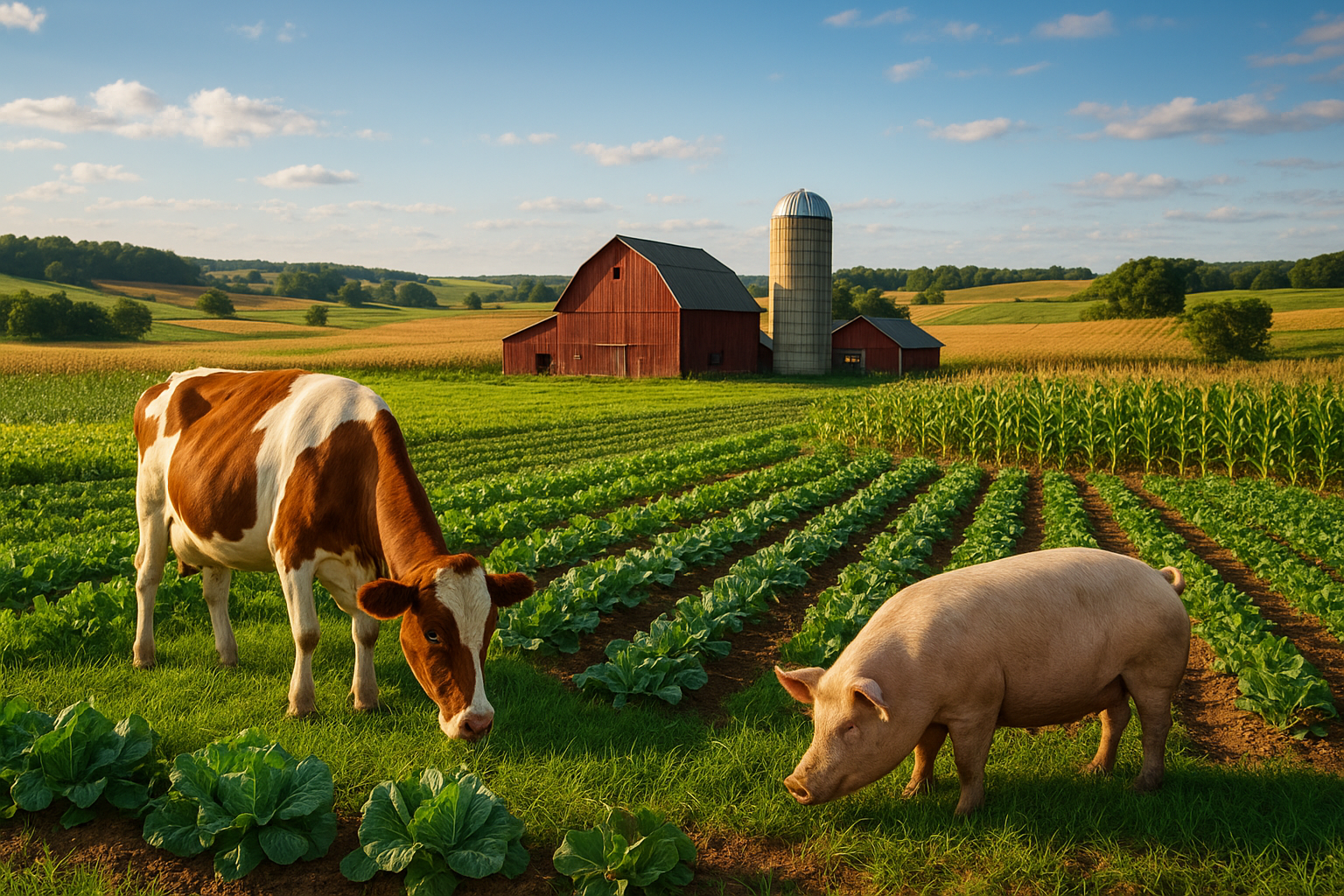
Livestock form the nutrient engine of the farm. Their dung and urine feed composting and bio-digester systems, turning waste into fertilizer. This loop regenerates soil fertility, reduces emissions, and supports continuous organic production without chemical dependency.
Chickens control pests and provide manure, while BSF larvae convert waste into protein feed for fish and poultry. This smart waste-to-value system minimizes external inputs and boosts circular profitability across the farm ecosystem.
Compost and vermi-wash enhance microbial life and nutrient absorption, creating living soil. Produced from on-farm waste, they reduce fertilizer dependence, improve yields naturally, and strengthen long-term soil productivity — turning biological waste into enduring economic value.
It restores degraded soils, increases organic carbon, improves water retention, and rebuilds ecosystems. Every acre under regeneration becomes a carbon sink — actively reversing climate damage while securing food, water, and economic resilience for future generations.
The model creates stable employment, enhances skill-based livelihoods, and promotes shared ownership in sustainable value chains. It empowers rural families while ensuring investors’ funds contribute to measurable social and ecological transformation.
Regenerative agriculture aligns with global ESG goals and UN Sustainable Development targets. It attracts impact capital, promotes food security, and positions India as a leader in climate-smart, investor-grade agriculture.
Absolutely. Organic Tea, Agarwood resin, Lemongrass oil, and Moringa powder appeal to global luxury, wellness, and fragrance markets — offering premium pricing, strong margins, and export-led scalability for investors seeking value beyond commodity agriculture.
To transform heritage Tea Estates into living, profitable ecosystems that regenerate the earth, empower rural communities, and deliver sustainable, compounding returns — blending legacy stewardship with future-ready, planet-positive agriculture.
Diversification spreads risk and creates multiple income cycles. Tea provides steady revenue, Agarwood delivers high-value returns, while Areca, Moringa, and Lemongrass offer recurring cash flow — ensuring financial stability and compounding returns for long-term investors.
Cows, goats, and chickens convert waste into valuable manure, reducing fertilizer costs and enhancing soil fertility. Their by-products — milk, compost, and bio-digestate — contribute consistent income while strengthening the regenerative cycle and improving farm-level profitability.
Fish ponds are dual assets — producing income from aquaculture while enriching irrigation water with nutrient-rich waste. This enhances crop productivity and provides additional yield from fish sales, increasing per-acre returns and water-use efficiency simultaneously.
Fence plantations protect the farm and generate profit. Teak provides valuable timber, Lemongrass yields essential oil, and Lemon offers marketable fruit. Their thorns, sharp leaves, and strong aroma naturally deter stray animals — reducing fencing costs while boosting biodiversity and border-area income efficiency.
Agarwood, a globally prized timber for perfumery, ensures high-value returns after maturity. Moringa, with its short harvesting cycle, generates annual income. Together, they create a balanced portfolio — combining liquidity and asset growth in one diversified farm model.
With six interdependent revenue streams — tea, horticulture, livestock, fishery, timber, and bio-products — ThrivingRegenFarms is naturally hedge-protected. Market dips in one sector are offset by others, ensuring consistent cash flow and inflation-resilient returns for investors.
The regenerative model targets double-digit IRRs from year five onward. Lower input costs, diversified outputs, and high-value crops like Agarwood and Tea Premiums, plus carbon and biodiversity credits, enhance both profitability and long-term asset appreciation.
Our integrated ecosystem captures carbon through soil and trees while restoring biodiversity. These verifiable ecological benefits qualify the farm for carbon and biodiversity credits — creating additional revenue streams aligned with global ESG and green investment frameworks.